What Is Rustbox? Why It Matters for Secure Online Code Execution
Learn what Rustbox is, why secure online code execution matters, and how teams use Rustbox to run untrusted code through a simple API.
Rustbox is a secure online code execution platform for teams that need to run code from users, students, candidates, or AI systems without turning that responsibility into their main engineering project.

What is Rustbox?
Rustbox is an API-first platform for secure online code execution. You send source code, choose a supported language, pass optional input, and receive a structured result with output, timing, memory usage, and a verdict.
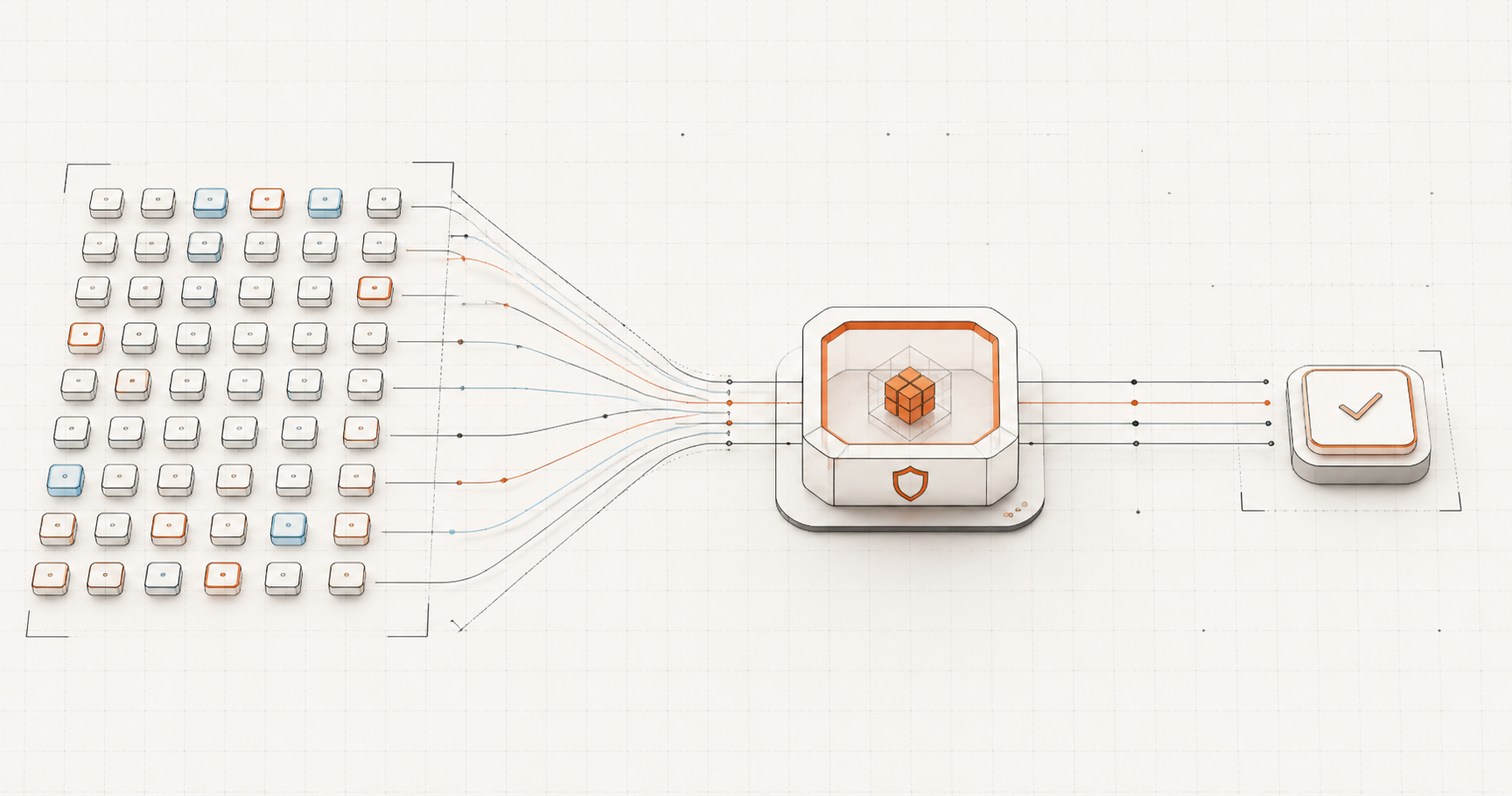
The important part is not just that Rustbox runs code. The important part is that it is built for code you do not fully control. That could be a student submission, an interview solution, a user-created script, or a short program generated by an AI agent.
In practical terms, Rustbox gives product teams a code execution layer they can call from their application instead of building, operating, and auditing one from scratch.
Why secure online code execution matters
Running code online sounds simple until the code is not yours. A normal program can read files, open network connections, use memory, start more processes, write output, or run longer than expected. In a trusted backend job, those actions may be fine. In a public product, they become risk.
Secure online code execution matters because every product that accepts code needs boundaries. Users should get useful results, but the platform should not give arbitrary programs unlimited access to compute, data, network paths, or shared infrastructure.
Rustbox focuses on that product need: accept code, run it in a controlled environment, return a clear result, and let your team keep building the product your users actually came for.
Who Rustbox is for
Rustbox is useful for teams building products where code execution is a feature, not the whole company.
Coding tests & interviews
Run candidate submissions synchronously and return automated scoring verdicts (e.g., accepted, timeout, memory limit) in real time.
Interactive labs & grading
Grade student course exercises safely and scale workspaces dynamically without impacting your core application servers.
Agent tool calls & interpreter
Give LLM agents a safe, disposable execution playground to evaluate scripts, perform calculations, and inspect data boundaries.
Workflows & scripting
Standardize limitations, timeouts, error callbacks, and logging outputs across diverse scripting jobs inside internal dashboards.
What Rustbox replaces in your stack
Many teams start with a small internal code runner. It often begins as a queue, a container image, a worker process, and a few timeouts. That can work for a prototype.
The hard part comes later. You need language support, API keys, result storage, retries, webhooks, rate limits, usage controls, clean error responses, and operational visibility. You also need to keep all of that working while users submit code that fails in creative ways.
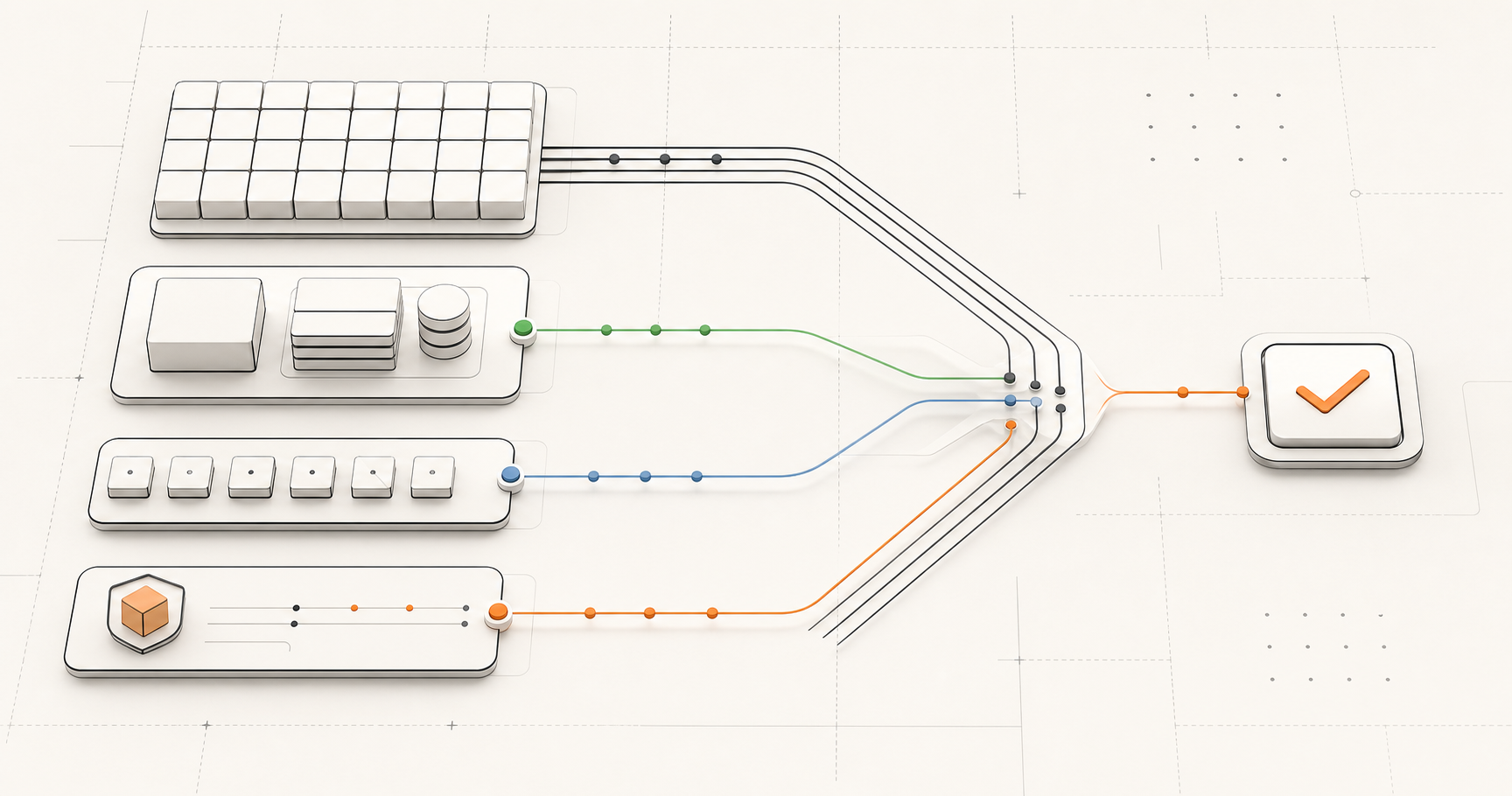
Rustbox replaces that custom execution layer with a focused API. Your application can submit code synchronously for interactive flows, submit asynchronously for batch workloads, or receive results through webhooks when polling would be wasteful.
Why an API-first code runner is easier to productize
Secure online code execution is rarely isolated from the rest of a product. You need to connect it to users, projects, plans, dashboards, grading flows, support tooling, and analytics.
An API-first model keeps that boundary clean. Your backend owns the product decision, Rustbox owns the execution request, and your UI receives a predictable result shape.
That also makes integration easier across stacks. Rustbox supports direct HTTP calls, plus SDKs for Python, TypeScript, Go, and Rust.
How to start with Rustbox
The fastest way to understand Rustbox is to make one API call. The basic pattern is simple: submit code, wait for a result, and inspect the verdict and output.
curl -s -X POST "https://rustbox.orkait.com/api/submit?wait=true" \
  -H "Content-Type: application/json" \
  -H "X-API-Key: rb_live_your_key_here" \
-d '{"language": "python", "code": "print(42)"}'{
"status": "success",
"verdict": "accepted",
"execution_time_ms": 12,
"memory_used_kb": 1420,
"stdout": "42\n",
"stderr": ""
}For interactive product flows, sync mode is usually the easiest starting point. For high-volume or longer-running workflows, use async submission and poll the result endpoint. For batch processing, webhooks let your system receive results without holding open connections.
What you can build with Rustbox
Rustbox fits anywhere your product needs to run code from outside your own repository. Common examples include:
- Online judges for programming contests and interview platforms.
- AI tools that need to run generated snippets before returning an answer.
- Education products with executable lessons, labs, or assignments.
- Developer tools that validate examples, snippets, or user scripts.
- Internal automation where teams want standard limits and consistent results for small code jobs.
The common thread is control. Users get the flexibility of code, while your product keeps a clear execution boundary.
Frequently asked questions
What is secure online code execution?
Secure online code execution is the practice of running code submitted by users, systems, or AI tools inside a controlled environment with defined limits and predictable results. It helps products offer code features without treating every submitted program as trusted backend code.
Is Rustbox only for coding assessment platforms?
No. Coding assessments are a natural fit, but Rustbox is also useful for AI tools, education platforms, developer products, internal automation, and any workflow that needs to execute code from outside the core application.
Does Rustbox require an SDK?
No. Rustbox can be used through direct HTTP requests. SDKs are available for common stacks when you want typed errors, retries, timeouts, and a smaller amount of integration code.
When should I use sync, async, or webhooks?
Use sync execution for interactive flows where the user is waiting. Use async polling when jobs may outlive the request. Use webhooks when you submit many jobs and want Rustbox to push results back to your system.
Try secure online code execution with Rustbox
Get from API key to first execution in a few minutes with the Rustbox quickstart.
Open Rustbox quickstart